




Français
-
English
 
 
Search the bank:


Search the site
Exact expression
 
Themes -
Expand Tree
Health
Social problems
Pathologies
Means of investigation
Treatments
Nursing
Specific nursing care
Nursing profession
Teaching
Research
Search results - Nursing (1851)
1. Moving from texts to portals: NurseONE in the classroom
2. 10 tips for working with nursing students
3. 100 years – 1905-2005 – Canadian Nurses History
4. 21st-Century Emerging and Reemerging Infections
5. A Budget Impact Analysis Comparing Use of a Modern Fecal Management System to Traditional Fecal Management Methods in Two Canadian Hospitals
6. A Case for Problem-based Collaborative Learning in the Nursing Classroom
7. A Case of Airway Obstruction
8. A Case Study for Electrical Stimulation on a Stage III Pressure Ulcer
9. A Case Study of Negative Pressure Wound Therapy to Manage Acute Necrotizing Fasciitis
10. A Century of Research in Nursing Human Resources
11. A Clinical and Spiritual Approach to Healing
12. A Clinically relevant Wound Assessment Method to Monitor Healing Progression
13. A Closer Look at the “supervision” and Direction” of certified registered nurse anesthetists
14. A collaborative Approach to Building the Capacity for Research and Evidence-Based Practice in Community Hospitals
15. A Community Hospital Acute Pain Service
16. A comparison of adolescent and adult mothers' satisfaction with their postpartum nursing care
17. A Comparison of an Antimicrobial Wound Cleanser to Normal Saline in Reduction of Bioburden and its Effect on Wound Healing
18. A Consensus Report on the Use of Vacuum-Assisted Closure in Chronic, Difficult-to-heal Wounds
19. A Critical Analysis of Online Nursing Education: Balancing Optimistic and Cautionary Perspectives
20. A Descriptive Feast but an Evaluative Famine
21. A few thoughts on strategies adapted for a program by “competence”
22. A fistula clinic repairs lives in Uganda
23. A Formative Evaluation of Nurses’ Use of Electronic Devices in a Home Care Setting
24. A Forum for Graduate Students
25. A Further Celebration of Nursing research in violence
26. A history of public health nursing in Alberta and British Columbia, 1918 to 1939
27. A hospital-level analysis of the work environment and workforce health indicators for registered nurses in Ontario’s acute-care hospitals
28. A Lifetime of Service
29. A Look Back: Nursing Care of Typhoid Fever
30. A Man of Few Words
31. A Mental Health Nursing Experience with Hospice Patients
32. A Model for Evaluating Knowledge Exchange in a Network Context
33. A Model Nursing Computer Resource Center
34. A Model Preschool Vision and Hearing Screening Program
35. A Moment of Reflection
36. A narrative study of refugee women who have experienced violence in the context of war
37. A New Age in Rheumatoid Arthritis Treatment
38. A new reality
39. A Nurse with Dystonia chooses DBS (Deep brain stimulus)
40. A Nursing Analysis of the Causes of and Approaches for Urinary Incontinence among Elderly Women in Nursing Homes
41. A nursing Quality Program driven by Evidence-Based Practice
42. A Pathway to Expert Practice
43. A Profile of Accelerated Second Bachelor’s Degree Nursing Students
44. A Profile of Disciplined Registered Nurses (disciplinary actions)
45. A proposal for classifying peristomal skin disorders
46. A Prospective Pilot Study of Atypical Pressure Ulcer Presentation in a Skilled Geriatric Nursing Unit
47. A Public Health Nursing Initiative to Promote Antenatal Health
48. A Qualitative Investigation of Seniors’ and Caregivers’ Views on Pain Assessment and Management
49. A Question of Balance
50. A Randomized, Controlled Study to Assess the Effect of Silk-like Textiles and High-absorbency Adult Incontinence Briefs on Pressure Ulcer Prevention
51. A Remediation Process for Nursing Students at Risk for Clinical Failure
52. A Responsive Evaluation of an Aboriginal Nursing Education Access Program
53. A Retrospective Descriptive Study of Nursing Home Residents with Heel Eschar or Blisters
54. A Retrospective Evaluation of Digital Wound Imaging to Predict Response to Hyperbaric Oxygen
55. A Review of Skin and the Effects of Aging on Skin Structure and Function
56. A shared mental health care model
57. A standardized Nursing Mathematics Competency Program
58. A Student and RN Partnered Clinical Experience
59. A Successful Teaching Strategy for Applying Evidence-based Practice
60. A Survey of Web-based Health Human Resource Planning Activities in Canada
61. A symphony of frogs at night (with Médecins sans frontières/Doctors without Borders)
62. A Technology-Driven Nursing Faculty Resource Center
63. A telehealth pioneer
64. A Three-Year Multiphase Pressure Ulcer Prevalence
65. A Transcultural Nursing Educational Environment
66. A University-wide Health Fair : a Health Promotion Clinical Practicum
67. A Web of Connections
68. A Welcome Link for Patients (on a wait-list)
69. A wellness approach to bereavement support
70. A Worksheet for Critiquing Quantitative Nursing Research
71. Abdominal Compartment Syndrome
72. Aboriginal Health Research
73. Aboriginal Nurses: Insights from a National Study
74. Aboriginal Nursing Education in Canada
75. About bipolar disorder
76. About Compartment Syndrome
77. About Febrile Seizures
78. Abrupt Vessel Closure after Coronary Angioplasty
79. Academic and Clinical Dissonance in Nursing Education
80. Accelerating Client-Driven Care
81. Accidental Amputation
82. Accuracy of Reference in General Readership Nursing Journals
83. Acetylcysteine and Nephropathy
84. Achieving Excellence in End-fo-Life Care
85. Acinetobacter Infections in Wounded Soldiers
86. Acknowledging the « Elephant » : Communication in Palliative Care
87. Act fast when your patient has dyspnea
88. Act FAST with Intraosseous Infusion
89. Active Learning in Nursing Education (ALINE)
90. Actively Preventing Injury
91. Activities Designed to Socialize Students into Nursing
92. Acute abdomen
93. Acute Adrenal Crisis
94. Acute Care Cardiology
95. Acute Care for Elders Prevents Functional Decline
96. Acute Delirium
97. Acute Ischemic Stroke
98. Acute Meningitis and Encephalitis
99. Acute Myocardial Infarction (AMI)
100. Acute Myocardial Infarction (coronary thrombosis)
101. Acute Pancreatitis
102. Acute Paraplegia
103. Acute peripheral arterial occlusion
104. Acute Respiratory Failure
105. Acute shortage plays out in nursing stations, hospital wards
106. Acute Tubular Necrosis
107. Adapting a Soft Silicone Dressing to Enhance Infant Outcomes
108. Addiction – A Nurse’s story
109. Addressing Inadequate Pain Relief
110. Addressing the Hidden Dimension in Nursing Education
111. Addressing the spiritual dimension in Canadian undergraduate nursing education
112. Adherence to Antihypertensive Therapy
113. Adjusting Postsurgical Care for Older Patients
114. Adjuvant Dressing for Negative Pressure Wound Therapy in Burns
115. Administering Acetaminophen Safely
116. Administering an Enema to an Adult
117. Administering an Intradermal Injection
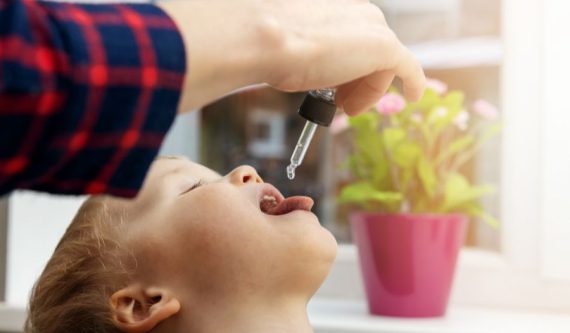
118. Administering Eyedrops
119. Administering Immune Globulin (IGIV)
120. Administering Medication by the Z-track Method
121. Administering Parenteral Nutrition with other I.V. Drugs
122. Administering pneumococcal vaccine
123. Administering Smallpox Vaccine
124. Adult Respiratory Infections
125. Advance Directives
126. Advance directives
127. Advanced practice - Nurse Practitioners in British Columbia
128. Advanced Practice Nurses’ Role in the Treatment of Pain
129. Advanced Practice Nursing
130. Advanced Practice: A Clinical or Political Issue?
131. Advances in Research Methods
132. Advancing Global Health and Equity
133. Advancing the contribution of gerontological nursing reseach
134. Advocating for change
135. After Cardiopulmonary Bypass
136. Ageisme of knowledge : Outdated research
137. Air Embolus
138. Air Transport
139. Airborne Infections and Respirators
140. Airway Management
141. Alcohol Withdrawal and Delirium Tremens
142. Allergic Aspergillosis
143. Alternate Site Blood Glucose Sampling
144. Alzheimer’s Disease
145. Alzheimer’s Disease
146. Amputation Stump
147. Amyotrophic Lateral Sclerosis
148. An aging nursing workforce necessitates change
149. An alternative Solution for difficult-to-manage Colostomies in the descending and sigmoid Colon
150. An American Nurse in Laos
151. An Analysis of the Work Environment and Workforce Health Indicators for Registered Nurses
152. An Anchor in Turbulent Times
153. An assistive Device for Donning Compression Stockings
154. An Emergency Department Recruitment Strategy
155. An End to Angels
156. An Error by Any Other Name
157. An Evaluation of an Adhesive Hydrocellular Foam Dressing and a Self-Adherent Soft Silicone Foam Dressing in a Nursing Home Setting
158. An Evaluation of the Nursing Success Program
159. An evidence-based approach to taking charge
160. An evidence-based protocol for managing hypoglycaemia
161. An Innovative Clinical Practicum to Teach Evidence-based Practice
162. An Interdisciplinary Approach to the Needs of Non-Native-Speaking Nursing Students
163. An International Perspective on Wound Pain and Trauma
164. An Obstetric Simulation Experience in an Undergraduate Nursing Curriculum
165. An Organized Disaster
166. An overview of Neonatal and Pediatric Wound Care Knowledge and Considerations
167. An overview of Palliative Nursing Care
168. An Undergratuate Research Experience
169. Analgesia and Sedation Protocols
170. Analysis of the American Nursing Workforce Crisis
171. Analyzing Complex Situations in an Emergency Department or a Department of Surgery
172. Anaphylaxis
173. Anaphylaxis
174. And If I Perish: Nurse Leadership in World War II
175. Anemia
176. Angina (Enhanced external counterpulsation)
177. Angina - Patient Education
178. Anniversary Responses to Terrorism
179. Another Hazard of War : infectious Diseases
180. Antiarrhythmics
181. Anticoagulant-induced Skin Necrosis
182. Anticoagulation Self-monitoring
183. Antiphospholipid Antibody Syndrome
184. Antipsychotic Medications
185. Anxiety Disorders
186. Anxiety Disorders
187. Aortic Aneurysms and dissections
188. Aortic Dissection
189. Appendicitis
190. Applying Antiembolism Stockings
191. Applying the Revised Bloom’s Taxonomy to a Medical-surgical Nursing Lesson
192. Are all pressure ulcers the result of deep tissue injury?
193. Are all Syringes created equal ?
194. Are Nurses Ready for Evidence-Based Practice
195. Are we renegotiating the Social Contract?
196. Are You a Culturally Competent Preceptor ?
197. Are you Paying Attention ?
198. Are you prepared for a bioterrorist attack?
199. Are you ready to give Care to a Child with Autism
200. Are you Tired ?
201. Arranging live organ donation over the Internet
202. Arresting Drug-resistant Organisms
203. Art, science, or both? Keeping the care in nursing
204. Arterial Line
205. Arthritis
206. ASC-US HPV (papillomavirus) Testing
207. Asking the clinical question: A key step in evidence-based practice
208. Aspirin for the Primary Prevention of Cardiovascular Events
209. Assessing a Fistula
210. Assessing Cardiovascular Status
211. Assessing chronic pain
212. Assessing Environmental Health Risk in the Home
213. Assessing Fetal Heart Sounds
214. Assessing for ascites
215. Assessing for Hepatojugular Reflux
216. Assessing for Orthostatic Hypotension
217. Assessing for signs of meningitis
218. Assessing gastrointestinal infections
219. Assessing Nurse Graduate Leadership Outcomes
220. Assessing Pain at the End of Life
221. Assessing Pain in Patients who Can’t Communicate
222. Assessing pain in patients with advanced dementia
223. Assessing Respiratory Status
224. Assessing skin lesions
225. Assessing the Abdomen
226. Assessing the Cranial Nerves
227. Assessing Venous Ulcers and Venous Insufficiency
228. Assessment of an Infant’s Reflexes
229. Assisted Suicide
230. Assisted suicide. A challenge for today’s nurses
231. Assisting Nursing Students to Plan for Retirement
232. Assisting with Bone Marrow Aspiration and Biopsy
233. Assisting with Lumbar Puncture
234. Assisting with Thoracentesis
235. Asthma
236. Asthma Attack
237. Asthma –Nursing clinics
238. Asystole in a heart transplant recipient
239. At the “HeArt” of Nursing : Stories reflect the Professional Values
240. Atrial Fibrillation
241. Attempting Suicide
242. Attention-Deficit/Hyperactivity Disorder
243. Authorized and Unauthorized Use of Patient-controlled Analgesia Pumps
244. Automated External Defibrillator Algorithm
245. Autonomic Dysreflexia
246. Autonomic Dysreflexia and Telehealth
247. Autonomy of the Volunteer Sector in the Evaluation of Public Health Programs: An Exploration from the Perspective of an HIV/AIDS Coalition
248. Avian Influenza
249. Avian Influenza
250. Avoiding Problems when Establishing a Student Learning Experience in Perioperative Nursing
251. Back in the day
252. Back to Sleep
253. Back to the Future: Personal Digital Assistants in Nursing Education
254. Bang the Gavel. Using a Mock Trial Debate
255. Bariatric Surgery
256. Bariatric Wound Care
257. Barriers to Implementing Research in Clinical Practice
258. Basic principles to find personal freedom in nursing
259. Basics of Oxygen Therapy
260. Bathing Patients with Dementia
261. Be Aggressive toward Violence
262. Be vigilant, Nurses warned
263. Becoming an Entrepreneur
264. Bedside assessment of enteral tube placement
265. Bee, Wasp, and Hornet Stings
266. Before you Give that Vaccination
267. Behavioral Health Resource Team
268. Behaviors associated with dementia
269. Benign Prostatic Hyperplasia
270. Benzocaine-induced methemoglobinemia
271. Best Practice Recommendations for the Prevention and Treatment of Skin Tears
272. Best Practices for environmental health
273. Best Practices in Stroke Care
274. Best Practices, Tips, and Techniques for Preventing Unintended Weight Loss and Healing Wounds
275. Beta-blockers and hypertension
276. Better Time Management: A Matter of Perspective
277. Betwixt and between : Searching for nursing's moral foundations
278. Beyond Content: Generating Critical Thinking in the Classroom
279. Beyond MRSA : VISA and VRSA – Nosocomial infections
280. Bill 90 - Repercussions for all nurses
281. Bill 90 and the therapeutic nursing plan
282. Bill 90, three years later
283. Biology, Psychology, and Behavior in Cardiovascular and Pulmonary Disease
284. Biphasic defibrillation
285. Bipolar Disorder
286. Birthplace: A model of collaborative care
287. Black Widow Spider Bite
288. Bladder Cancer
289. Bladder Health
290. Bleeding Esophageal Varices
291. Blood management: best-practice transfusion strategies
292. Bloodborne Pathogen Exposure
293. Body Art and MRI
294. Body composition in Patient with HIV
295. Body piercing
296. Boosting insulin safety
297. Born into a Diaper
298. Botulism
299. Bradycardia - Think fast
300. Brain death and organ procurement
301. Brave Heart (cardiovascular care research)
302. BRCA Gene Mutations and Cancer
303. Breast Reconstruction
304. Breast Reconstruction
305. Breastfeeding in Nonmaternity Settings
306. Bridging the Gap between Research and Practice (Wound Care)
307. Bridging the Generation Gap(s)
308. Bringing Common Eye Emergencies into Focus
309. Bringing home effective nursing care for the homeless
310. Bringing nursing research alive in the practice setting
311. Bringing Wound care to the forefront in South America
312. Bronchial Hygiene Therapy
313. Brown Recluse Spider Bites
314. Brown Recluse Spider Bites
315. Brown Recluse Spider Bites
316. Bubonic Plague and HIV
317. Building and Sustaining a Career Culture
318. Building on Mexican-American Cultural Values
319. Building Research Capacity
320. Burkholderia cepacia
321. Burn Care Basics
322. Burn Gang
323. Burned out ?
324. C difficile - A Menace in Hospitals and Homes alike
325. Cables and Electrodes can Burn Patients during MRI
326. Calciphylaxis
327. Calling a Condition H(elp)
328. Calling on NERDS for critically colonized Wounds
329. Camp Nursing
330. Can a Journal Club Bridge the Gap Between Research and Practice?
331. Can I Stop a Drug Infusion to Draw Blood?
332. Can you prevent ventilator associated pneumonia
333. Can you Recognize and Respond to von Willebrand Disease?
334. Cancer Nursing: Past, Present, and Future
335. Cancer Screening in Men
336. Capturing a Vision for Nursing - Undergraduate Nursing Students in Alternative Clinical Settings
337. Carbon monoxide poisoning
338. Carbon Monoxide Poisoning
339. Cardiac Arrest - The Effect on the Brain
340. Cardiac health: primary prevention of heart disease in women
341. Cardiac resynchronization therapy
342. Cardiac resynchronization therapy
343. Cardiac tamponade
344. Cardiac Tamponade (heart failure)
345. Cardiomyopathies
346. Cardiovascular Disease in Chronic Kidney Disease
347. Cardiovascular dysmetabolic syndrome
348. Cardiovascular Effects of Alcohol - the Good and the Bad
349. Cardiovascular Magnetic Resonance Imaging
350. Care and meaning in war zone nursing
351. CARE Approach to Immunization Counselling
352. Care at the Time of Death
353. Career coaching
354. Career resiliency 101
355. Careertalk
356. Caring for a Medical/surgical Patient with Multiple Sclerosis
357. Caring for a Nontunneled CVC Site
358. Caring for a patient after CABG (coronary artery bypass graft) surgery
359. Caring for a Patient Having a Miscarriage
360. Caring for a Patient on Pulse Oxymetry
361. Caring for a patient with asthma
362. Caring for a sick child in a nonpediatric setting
363. Caring for an Alcohol-dependent Patient
364. Caring for oneself and for others through difficult times
365. Caring for patient with increased intracranial pressure
366. Caring for Patients on Kidney Dialysis in a Disaster
367. Caring for Patients on Mechanical Ventilation
368. Caring for Patients with Femoral Sheaths
369. Caring for Patients with Heart Failure
370. Case Management: Client-Centred Care - part 1
371. Case Management: The roles and qualities required of a Case Manager (Part 3)
372. Case management: Tools and Coordination Methods - part 2
373. Categorical Service Allocation and Barriers to Care for Children with Chronic Conditions
374. Celebrating International Nursing Partnerships
375. Celebrating Nursing History
376. Celiac Disease Goes Against the Grain
377. Cerebral Artery Stenosis
378. Cerebral Salt Wasting Syndrome
379. Cerebral Vessel Lesions Repair with Coils and Glue
380. Certification - Building on What You Know
381. Cesarean Section on Demand
382. Challenge in the Emergency Room Care for the Elderly
383. Challenges and Benefits of International Clinical Placements in Public Health Nursing
384. Challenges and change in telehealth
385. Challenges and motivators influencing the academic performance of English as an additional language nursing students
386. Challenges of Ostomy Care and Obesity
387. Challenging how Competency is validated
388. Change of Plans
389. Changes in our profession: an upgrading or downgrading of our role
390. Changes in Sleep Patterns in Chronic Obstructive Pulmonary Disease
391. Changing an Ostomy Appliance
392. Changing UI Practice (urinary incontinence)
393. Cheating
394. Checking a Casted Limb’s Neurovascular Status
395. Checking for Oculocephalic Reflex
396. Chemoprevention of Breast Cancer
397. Chest drainage to go
398. Child Abuse by a Different Name
399. Childbearing Practices in Kanadier Mennonite Women
400. Childhood Asthma
401. Childhood Vaccines - How Safe are they?
402. Choosing a Debridement Method
403. Choosing a faces pain scale
404. Choosing a model of care for patients in alternate level care
405. Choosing the right fluid to counter hypovolemic shock
406. Choosing the right vascular access device, part 1
407. Choosing the right vascular access device, part 2
408. Chronic bronchitis and emphysema
409. Chronic Bronchitis and Emphysema - Clearing the Air
410. Chronic Grief
411. Chronic Kidney Disease
412. Chronic Kidney Disease
413. Chronic Kidney Disease - an Overview
414. Chronic obstructive pulmonary disease
415. Chronic Wound Pain and Palliative Cancer Care
416. Circumcision
417. Clearing away Pulmonary Secretions
418. Client restraints
419. Clinical Application of the Omaha System with the Nightingale Tracker
420. Clinical Instruction - Train the Trainer
421. Clinical Judgement – An Essential Tool in the Nursing Profession
422. Clinical Nurse Specialist or Nurse Practitioner
423. Clinical Nurse Specialists in a Web-Based Practice Environment
424. Clinical Nurses Find a Voice
425. Clinical Preparation for Beginning Nursing Students - An experiential Learning Activity
426. Clinical Reasoning
427. Clinical Relevance of Anatomy and Physiology
428. Clinical Resource Centers in Nursing Programs
429. Clinimetrics and Wound Science
430. Close to the VEST
431. Closed secretions suctioning
432. Closing in on clues to encephalitis
433. Clostridium Difficile - Familiar Pathogen, Changing Epidemiology
434. Clostridium Perfringens
435. Code Blue
436. Cognitively Impaired Older Adults - From Hospital to Home
437. Colocutaneous Fistula Management in a Dehisced Wound - A Case Study
438. Colorado Nurses and the Nurse-Family Partnership (NFP)
439. Colorectal Cancer
440. Combating Breast Cancer in Older Women
441. Combating community-acquired pneumonia
442. Combating Elder Abuse
443. Combating Hypoglycemia in the Hospital and at Home
444. Combining Bioengineered Human Dermal Replacement and Multilayered Compression Dressings to Manage Ulcers in a Person with Diabetes Mellitus
445. Combining high tech and high touch (quality of rest)
446. Comforting a Confused Patient
447. Coming to terms with cytomegalovirus
448. Commentary on the CNA Code of Ethics
449. Communicating with a patient on mechanical ventilation
450. Communicating with Children and Adolescents
451. Communicating with ED patients who have chronic mental illnesses
452. Communicating with the Elderly: Choosing Respect in Caregiving
453. Communication - An important Part of Nursing Care
454. Communication and Care Go Hand in Hand. Exercises for young nurses
455. Communicationg for Better Care
456. Community Development in an African Village
457. Community Health Nursing in a Nonclinical Setting. Service-learning outcomes of undergraduate studen
458. Community Health Nursing Research: a Retrospective
459. Community-acquired pneumonia
460. Comparaison of Traditional and Accelerated Baccalaureate Nursing Graduates
461. Comparing the Health Services Utilization of Long-term-care Residents, Home-Care Recipients, and the Well Elderly
462. Comparison of wound irrigation and tangential hydrodissection in bacterial clearance of contaminated wounds
463. Complaints against Nurses
464. Complications of Chronic Kidney Disease
465. Compounded Drugs
466. Compression Stockings
467. Computer-mediated patient education: Opportunities and challenges for supporting women with ovarian cancer
468. Computerized Client Assessments : A Change in Practice
469. Concept Map Care Plans
470. Confronting Cushing’s Syndrome
471. Confronting post-traumatic stress disorder
472. Confronting the « Flesh eating » Infection
473. Connecting the DOTS to Treat Pulmonary Tuberculosis
474. Conquering Pain
475. Conservation about nursing research
476. Considering Patient Priorities when Choosing a Dressing
477. Considering Place in Community Health Nursing
478. Considering Place in community health nursing
479. Construction and Use of Wound Care Guidelines: An Overview
480. Continence - the Sixth Vital Sign
481. Continent Diversions
482. Continuity and Transitional Care
483. Continuous Renal Replacement Therapies
484. Contrast-media-induced Pulmorary Edema
485. Controlling bias in complex nursing intervention studies: a checklist
486. Conversing with a Hearing-impaired or Deaf Patient
487. Coping with a coagulation crisis
488. Coping with Grief
489. Coping with Grief When a Patient Dies
490. Core Aspects of “Empowering” Caregivers as Articulated by Leaders in Home Health Care: Palliative and Chronic Illness Contexts
491. Corneal abrasion
492. Coronary Artery Calcium Scoring
493. Correctional health nursing
494. Cost of Prematurity
495. Cost-effective Quality Wound Care in Canada
496. Cost-effective Wound Care
497. Costochondritis
498. Could a patient or a colleague become violent ?
499. Could my Patient Have Deep Vein Thrombosis ?
500. Could that Medication cause Bradycardia ?
501. Counseling to Prevent Skin Cancer
502. Courage and Commitment
503. Creating a Holistic Environment for Practicing Nurses
504. Creating a New Dynamic in Aboriginal Health
505. Creating an Information campaign that works
506. Creativity at the nurse's service
507. Criteria-based Protocols and the Obese Patient
508. Critical Analyses of the Evolution of a Canadian Nurse Practitioner Role
509. Critical Care Clinical Experience for Novice Students
510. Critical Care Nursing for Older Adults
511. Critical Care Practicum
512. Critical Colonization
513. Critical Limb Ischemia
514. Crohn Disease in Children
515. Cultural Considerations in End-of-life Care
516. Culturally Competent Care
517. Curriculum Design to Promote the Critical Thinking of Accelerated Bachelors’ Degree Nursing Students
518. Curriculum for the Development of Staff Nurses as Clinical Faculty and Scholars
519. Cutting Sharps Risks in ICUs and CCUs
520. Cyberlaw
521. Cystic Fibrosis
522. Daily struggles - Living with long-term childhood technology dependence
523. Data collection: the basis for all nursing interventions
524. Dealing with an Angry Patient
525. Dealing with cancer-related distress
526. Death Among Us
527. Death by Catheterization ?
528. Debriding and Reducing Local Wound Infection with Maggots
529. Decision Tree for Additional Skills
530. Decision-Making
531. Deconditioning in the Hospitalized Elderly
532. Deep Tissue Injury
533. Deep tissue injury from a bioengineering point of view
534. Defining nurses’ role in health informatics
535. Delayed Diagnosis - The Tuberculosis Tragedy
536. Delays in Seeking Myocardial Infarction Treatment
537. Delirium Superimposed on Dementia
538. Dementia and Alzheimer’s Disease: A Practical Orientation
539. Dementia Awareness in Northern Nursing Practice
540. Dengue returns to the United States
541. Depression and Dispiritedness in Later Life
542. Dermatologic Nursing
543. Descending into Delirium
544. Developing a Fall-prevention Program for Patients
545. Developing a Relationship With the Computer in Nursing Practice: A Grounded Theory
546. Developing and Evaluating Outcomes of an Evidence-based Protocol for the Treatment of Osteomyelitis in Stage IV Pressure Ulcers
547. Developing High-quality Health-care Workplaces - Facilitators and Barriers
548. Developing Regional Clinical Pathways in Rural Health
549. Developing synergy to enhance the impact of nursing intervention research on patient health
550. Development and Implementation of an Inductive Model for Evidence-Based Practice: A Grassroots Approach for Building Evidence-Based Practice Capacity in Staff Nurses
551. Development of a Content-Validated Venous Ulcer Guideline
552. Development of an Evidence-Based Practice and Research Collaborative among Urban Hospitals
553. Diabetes
554. Diabetes and Depression
555. Diabetes and Exercise Safety
556. Diabetes Management
557. Diabetes Management : Taming the Beast
558. Diabetes Medication
559. Diabetes Mellitus and the Elderly
560. Diabetic Heel Ulcers - amputation ?
561. Diabetic Retinopathy
562. Diagnosing Acute Coronary Syndromes
563. Dietary supplements
564. Difficulties in Managing Pain at the End of Life
565. Digital Photographs in the ED
566. Discourses influencing Nurses’ perceptions of First Nations Patients
567. Disease-specific influences on meaning and significance in self-care decision-making in chronic illness
568. Disparities in long-term healthcare
569. Disruptive Behavior & Clinical Outcomes - Perceptions of Nurses & Physicians
570. Distance-wise Reflections for Ontario Nursing
571. Diversity and Health
572. Do conceptual models of nursing work today ?
573. Do Vaginal Births Need a Good Push ?
574. Documentation - I
575. Documentation – II
576. Documenting General Observations
577. Does 1 + 1 Still Equal 2? A Study of the Mathematic Competencies of Associate Degree Nursing Students
578. Does a high White Blood Cell Count (WBC) always signal infection
579. Does Gowning Prevent Nosocomial Infection in the NICU (Neonatal Intensive Care Unit)
580. Does Pathophysiology Have to be Boring ?
581. Does Workplace Stress Lead to Accident or Error ?
582. Don’t Get Burnt by the MRI (magnetic resonance imaging)
583. Don’t Let the Grievance Process Cause Grief
584. Double Trouble
585. Drinking Patterns and Problems
586. Drugged and sexually assaulted (date-rape drug)
587. Dying with a Stage IV Pressure Ulcer
588. Dystonia
589. Easing the Transition between Hospital and Home: translating Knowledge into Action
590. Ebola Outbreak in Southern Sudan
591. ECG Examination
592. Economism, efficiency, and the moral ecology of good nursing practice
593. Ecstasy
594. Ectopic Pregnancy
595. Eczema vaccinatum - A reaction to the Smallpox vaccine
596. ED Triage
597. Education of First Nations and Metis students - Circle of Strength
598. Educational Mobility of RNs in North Carolina
599. Effect of a Preoperative Instructional Digital Video Disc on Patient Knowledge and Preparedness for Engaging in Preoperative Care Activities
600. Effect of Ultraviolet Light C on Bacterial Colonization in Chronic Wounds
601. Effectiveness of a Non-Petrolatum Emollient Cream in Pediatric Care
602. Effectiveness of Video-Telephone Nursing Care for the Homebound Elderly
603. Effects of demographic characteristics on preoperative teaching outcomes - a meta-analysis
604. Effects of Nursing Rounds
605. Ehical Issues and Clinical Expertise at the end of Life
606. Elder RNs’ Perspectives on Nursing Education - Lessons Learned
607. Elderly Patients with Diabetes
608. Elders as Mentors of Nursing Students
609. Electroconvulsive therapy
610. Electronic Toolkit for Nursing Education
611. Embodied knowledge or disembodied knowing?
612. Emergency - Monophasic and Biphasic Defibrillators
613. Emergency - Necrotizing Fasciitis
614. Emergency and Disaster Preparedness
615. Emergency lift for the immobile elderly
616. Emergency Preparedness for the Chronically Ill
617. Emergency Waiting Room Nursing
618. Emotional vs Physical Labor
619. Empathy and respect when immunizing children who fear needles
620. Employed to go against one's values - Nurse managers' accounts of ethical conflict with their organizations
621. Empowerment and shared leadership
622. Encouraging Student Nurses’ Creative Expression About End-of-Life Experiences
623. End-of-life Care
624. End-of-life Care of Older Adults
625. End-of-life Issues: Difficult decisions and dealing with grief
626. End-of-life Nursing Education Consortium Curriculum
627. Endocarditis After Valve Replacement surgery
628. Energy-Based Modalities
629. Engaging Advanced Practice Nursing Students in Faculty Research
630. Enhancing Diagnostic Reasoning Skills in Nurse Practitioner Students: A Teaching Tool
631. Enhancing Ethical Climates in Nursing Work Environments
632. Enhancing Health-Care Research - An Interdisciplinary Collaborative Approach
633. Enhancing Nurses’ Pain Management Knowledge
634. Enhancing Student Leadership Development in Community Settings
635. Enhancing the ability of Nursing Students to perform a Spiritual Assessment
636. Enteral feedings
637. Enteral tube flushing
638. Environmental Health and Nursing
639. Epidural Analgesia for Postoperative Pain – Part I
640. Epidural Analgesia for Postoperative Pain – Part II
641. Epidural Hemorrhage and Hematome
642. Equipoise in clinical nursing research
643. Erectile Dysfunction
644. Esophageal pH monitoring
645. Essential tools for a study abroad nursing course
646. Establishing Roles in Genetic Nursing - Interviews with Canadian Nurses
647. Estrogen and Recurrent Urinary Tract Infection in Postmenopausal Women
648. Ethical challenges of the 21st century - Attending to relations
649. Ethical Concerns in End-of-life Care
650. Ethical Debates
651. Ethical orientation, functional linguistics, and the codes of Ethics of the Canadian Nurses Association and the Canadian Medical Association
652. Ethics and decision-making - Lessons from the Cancer Wars
653. Ethics and Palliative Care in Pediatrics
654. Ethics and Values - issue
655. Ethics Elements - Serious Thoughts in a Cartoon - 1st part: fundamental concepts
656. Ethics Elements - Serious Thoughts in a Cartoon - 2nd part: applications
657. Ethics Elements - Serious Thoughts in a Cartoon - 3rd part: applications
658. Ethics in Action
659. Ethnopharmacology
660. Evaluating Best Practice Guidelines
661. Evaluating instruments for use in nursing practice
662. Evaluating nursing staff mix decisions in long-term care
663. Evaluation of a Patient Care Delivery Model: System Outcomes in Acute Cardiac Care
664. Evaluation of an integrated model of discharge planning : Achieving quality discharges in an efficient and ethical way
665. Evidence Equals Excellence: The Application of an Evidence-Based Practice Model in an Academic Medical Center
666. Evidence of adequacy of postpartum care for immigrant women
667. Evidence-based Practice
668. Examining appreciative Inquiry as a Knowledge Translation Intervention in Pain Management
669. Exercise and COPD
670. Exercise and People with Serious, Persistent Mental Illness
671. Expanding Roles for Public Health Nursing
672. Expanding the Dialogue on Dementia
673. Experiences of Psychiatric Mental Health Nursing Graduate Students in a Women’s Prison
674. Exploring Sexual Networks: A Pilot Study of Swingers’ Sexual Behaviour and Health-Care-Seeking Practices
675. Exploring the Effects of Wound Dressings and Patient Positioning on Skin Integrity in a Pediatric Burn Facility
676. Exploring the Issue of Confidentiality
677. Extensively Drug-Resistant Tuberculosis
678. Eye Care for Patients in the ICU
679. Facilitating Interprofessional Education and practice
680. Facing the Pain of Trigeminal Neuralgia
681. Facing up to withdrawal from topical steroids
682. Factors to Weigh when Considering Electronic Data Collection
683. Facts about Thiazide and Thiazide-like Diuretics
684. Faculty and Student Experiences with Web-based Discussion Groups in a Large Lecture Setting
685. Faculty Development Initiatives for the Integration of Informatics Competencies and Point-of-Care Technologies in Undergraduate Nursing Education
686. Failed dialysis access
687. Failure to Rescue
688. Falls and Patient Safety for Older Adults
689. Falls in the nursing home: A collaborative approach
690. Families with Chronically Ill Children
691. Family Nursing
692. Family Practice and Primary Health Care Nurses in Nova Scotia
693. Family Presence: Making Room
694. Family-centered Care in the ED
695. Family-Centered Critical Care
696. Fat Embolism
697. Fears for the Future
698. Fibromyalgia
699. Field Expediency – Nurses in Vietnam
700. Fighting the triple threat of lower extremity ulcers
701. Finding information on the Internet
702. Finding Temporary Relief
703. First Aid for Bleeding Wounds
704. First Aid for Sprains
705. First steps in Career Planning : Self-assessment
706. First, Do No Harm: The Perils of Shift Work
707. Focusing on eye emergencies
708. Foodborne Diseases
709. Foods first
710. Foot care for people with diabetes
711. Foot Care for Persons with Type 2 Diabetes
712. Forensic Nursing
713. Fostering Treatment Adherence
714. Free TRAM Flap Breast Reconstruction
715. Friday Night in the Pediatric Emergency Department
716. From Humble Beginnings: The Braden Scale
717. From Needlestick Statistic to Nurse Advocate
718. From the Bedside to the Boardroom: Resuscitating the Use of Nursing Research
719. Fulmer SPICES
720. Fun and games in paediatric nursing
721. Functional Decline in Hospitalized Older Adults
722. Gaining Insite. Harm reduction in Nursing practice
723. Gang Members in the ED
724. Gastric Bypass
725. Gastroesophageal reflux disease
726. Gastroesophageal Reflux Disease
727. Gastroparesis
728. Gaucher Disease
729. Gender Bias and Discrimination in Nursing Education : Can We Change it ?
730. General Principles and Relation to Facial Wounds
731. Genetic Testing and Screening
732. Genetic Testing for Breast and Ovarian Cancer Risk
733. Genetics: Breast cancer as an examplar
734. Genital Herpes
735. Geography and Health
736. Geriatric syndromes and their implications for nursing
737. Get familiar with glucosamine
738. Getting a Line on Central Vascular Access Devices
739. Getting Grounded: Using Glaserian Grounded Theory to Conduct Nursing Research/
740. Getting misty over wound care
741. Getting wired for Interactive Health Communication with Internet
742. Giving Nurses a Voice in Patient Safety
743. Giving the Fingers a Rest
744. Global Health and Equity
745. Global Health for Nursing . . . and Nursing for Global Health
746. Global Women’s Health: A spotlight on caregiving
747. Glucosamine and Osteoarthritis
748. Going Home. Introducing adult nursing students to community care
749. Gold-standard mentor
750. Good Death
751. Graduated Compression Stockings
752. Grandparents raising grandchildren
753. Great ideas, no time
754. Grief and Bereavement Care
755. Grief and Depression
756. Groin Hematoma Following Percutaneous Coronary Intervention
757. Growth and satisfaction
758. Guide to the Information Highway
759. Gynecomasty
760. Handcuffed by Cutbacks
761. Handling Hazardous Drugs
762. Handwashing
763. Handwashing Compliance
764. Harm Reduction nursing
765. Head lice
766. Healing After the Hurricane
767. Healing during existential moments: The “Art” of nursing presence
768. Health Care Workers and Asthma
769. Health human resource planning for the new millennium : Inputs in the production of health, illness, and recovery in populations
770. Health Information Technology and Nursing
771. Healthy Student, Healthy Nurse
772. Heart failure
773. Heart Failure
774. Heart-healthy living
775. Heatstroke in Older Adults
776. Helping a patient who is visually impaired
777. Helping as best she can from Afghanistan to Sioux Lookout (Médecins sans frontières – msf)
778. Helping Caregivers Cope with a Patient’s Dementia
779. Helping Kids Get Home
780. Helping Parents Cope
781. Helping with rapid sequence induction in the ICU
782. Helping your Patient manage Parkinson’s Disease
783. Helping your patient to restrict potassium
784. Hemophilia
785. Hemophilia
786. Hepatitis A
787. Hepatitis C : the Silent Killer
788. High school to Nursing
789. Hip Hemiarthroplasty
790. Historical perspective of the women’s health nurse practitioner
791. History of Breastfeeding in the United States
792. History: Nursing in disaster
793. HIV Advances
794. HIV and AIDS : The Symptom Experience
795. Holistic Assessment and Care: Presence in the Process
796. Holistic Nursing
797. Holistic Nursing as a Specialty
798. Home Care for the Dying : Letting Nature Take its Course
799. Home Care Nursing for older Adults
800. Home Care Security
801. Home Modification
802. Home nursing in Postwar Gaza
803. Honey, an Old Remedy in Wound Care
804. Hope and feminist care ethics : What is the connection ?
805. Hospice care
806. Hospice – Organizational perspectives
807. How and why begin an educational process?
808. How can nursing intervention research reduce the research-practice gap?
809. How can you promote vaccine safety
810. How do we Tackle the Nurse Faculty Shortage
811. How Effectively are Nurse Educators Preparing Students to Provide Spiritual Care ?
812. How herbs can affect your patient ?
813. How Knowledgeable are we ?
814. How Long and How Much are Nurses now Working ?
815. How New Technologies Can Help you and your Patients
816. How Nurses are Conceptualized in Healthcare Reform Literature
817. How Religion, Language and Ethnicity impact Perioperative Nursing Care
818. How Respect and Kindness Are Experienced at the End of Life by Nursing Home Residents
819. How substance abuse impacts pain management in acute care
820. How to Bring Evidence-based practice to the Bedside
821. How to develop a Poster
822. How to Make Nursing Research Work for You ?
823. How to prevent delirium - A practical protocol
824. How to protect a patient with aortic aneurysm
825. How to Read, Interpret, and Understand Evidence-based Literature Statistics
826. How to Respond to Constipation
827. How to Spell Relief for the Nursing Shortage : S T U D E N T S
828. How Wounds Heal
829. HRT Reconsidered (Hormone Replacement Therapy)
830. Human Genetics : Constructing a Family Pedigree
831. Human papillomavirus and the HPV vaccine: Are the benefits worth the risks?
832. Human papillomavirus vaccine
833. Human Rabies
834. Hydrofluoric acid exposure
835. Hyperglycemia in the Critically Ill : Part 1
836. Hyperglycemia in the critically ill : Part 2
837. Hyperkalemia
838. Hypertrophic Cardiomyopathy
839. Hypoglycemia Unawareness
840. Hypokalemia
841. Hypothermia
842. I don’t take no for an answer
843. ICTs as a Transversal Competency in Nursing
844. Identifying and Treating Gestational Diabetes Mellitus
845. Idiopathic Pulmonary Fibrosis
846. If Only They Could Talk
847. Igniting a spirit of inquiry – An essential foundation for evidence-based practice
848. Ileal Pouch Anal Anastomosis - An Overview of Surgery, Recovery, and Achieving Postsurgical Continence
849. Image, Function, and Style: A History of the Nursing Uniform
850. Imagery in the Clinical Setting: A Tool for Healing
851. Implantable Cardioverter-defibrillator (ICD)
852. Implementation of a Two-Part Unit-Based Multiple Intervention: Moving Evidence-Based Practice into Action
853. Implementing a Health System-Wide Evidence-Based Practice Educational Program to Reach Nurses with Various Levels of Experience and Educational Preparation
854. Implementing a Rapid Response Team
855. Implementing a Wound Care Resource Nurse Program
856. Implementing Case Study Methodology in Critical Care Nursing
857. Implementing wound care guidelines
858. Improving diabetes education for minority-group members
859. Improving hospital care for surgical patients
860. Improving the Care of Cancer Survivor
861. Improving the Quality of End-of-life Care
862. In praise of Staff Nurse Parents
863. Inadvertent Intracranial Nasogastric Tube Placement
864. Including Sexuality in Your Nursing Practice
865. Incontinence - Special Focus
866. Incontinence-associated Dermatitis
867. Incorporating Digital Photography
868. Incorporating Spirituality Into Practice
869. Incorporating the WHO FRAX Assessment tool into nursing practice
870. Increasing Cultural Competence in Nursing through International Service-Learning Experiences
871. Increasing Influenza Vaccination of Health Care Workers
872. Indigenous Health Research: Theoretical and Methodological Perspectives
873. Indwelling Urinary Catheters
874. Infection and Wound Care
875. Infection Control and Hurricane Katrina
876. Infection in the Older Adult
877. Inflammatory Bowel Disease
878. Influenza
879. Influenza
880. Influenza Pandemic Preparedness
881. Information needs of cancer patients receiving chemotherapy in an ambulatory-care setting
882. Information Technology and Nursing Care
883. Information Technology and Nursing Care
884. Infusing PDA Technology into Nursing Education
885. Inhaled Insulin
886. Innovation in Nursing Education
887. Innovative approaches are needed to support practitioners
888. Innovative Treatment for Elderly Patients with contractures
889. Insulin Pump
890. Integrated Services in Northeast Edmonton
891. Integrating a Standardized Assessment into Acute Care Settings
892. Integrating leadership and management content across the curriculum
893. Integrating Mental Health into Urgent Care in a Community Health Centre
894. Integrating Wound Care Research into Clinical Practice
895. Interactions of people with disabilities and nursing staff during hospitalization
896. Intercultural Approach: Part 3 - Open-Minded Care and Communications
897. Interdisciplinarity and the Therapeutic Nursing Plan
898. Intermittent Auscultation of the Fetal Heart Rate
899. International Nurse Applicants
900. International Research Collaboration as Social Relation: An Ethiopian-Canadian Example
901. Interprovincial Partnership in Nursing Education
902. Interrupting Status Epilepticus
903. Introducing Readers Theater! A strategy to foster aesthetic knowing in nursing
904. Intussusception
905. Iron Lungs
906. Is it Really an Emergency ?
907. Is my Patient having an Acute Myocardial Infarction ?
908. Is Personal Choice an Absolute Right ?
909. Is SARS Reemerging ?
910. Is the Patient a Suicide Risk?
911. Is there an Up Side ? (restraints)
912. Is your patient having a transfusion reaction
913. Issues in Neonatal and Pediatric Wounds - Special Focus
914. It is in the Genes
915. Keep C. difficile infection at bay
916. Keep Venous Thromboembolism at bay
917. Keeping Pediatric Patients Comfortable
918. Keeping the Magic Alive in Nursing Care : Advice from the Dalaï Lama
919. Keeping the Patient Hemodynamically Stable
920. Keeping Track of the Patch on the Obese Patient
921. Keeping your home safe from germs
922. Keeping Yourself Safe
923. Key ideas in nursing’s first century
924. Kidney Cancer
925. Knowledge Translation in the Context of Aboriginal Health
926. Knowledge Translation in the Health Sciences
927. Larval Debridement Therapy
928. Laryngeal Cancer
929. Laryngopharyngeal reflux in children
930. Leadership
931. Leadership in Nursing homes – 2009: Challenges for change in difficult times
932. Leadership, Innovation, and Knowledge Workers in Health-Care Reform
933. Leadership: Between Humanism and Pragmatism
934. Learning about Catheter-directed Thrombolysis (deep vein thrombosis)
935. Learning and teaching in Clinical Settings
936. Learning in a Preceptorship (student journals)
937. Learning Nursing Research Through Faculty-Mentored Projects
938. Learning to work in a difficult relational context
939. Leave against Medical Advice
940. Leaving the Philippines: Oral Histories of Nurses’ Transition to Canadian Nursing Practice
941. Legal and Ethical Issues
942. Legal Parameters of Alternative-Complementary Modalities in Nursing Practice
943. Legionella Pneumonia
944. Legislative Advocacy Skills for Baccalaureate Nursing Students
945. Lessons from Haïti
946. Lessons learned from Collaborative Testing
947. Let’s Do Lunch? The Ethics of Accepting Gifts from the Pharmaceutical Industry
948. Level of acceptance of different models of maternity care
949. Level of RN Educational Preparation
950. Liability trends in nursing
951. Licensure is not Synonymous with Professionalism: Its Time to Stop the Hypocrisy
952. Linking the science of training to nursing simulation
953. Listening to Bowels Sounds
954. Listening to different voices
955. Liver Cancer
956. Liver failure
957. Living with a Chronically Ill Child
958. Living, not Dying, with ALS (Lou Gehrig Disease)
959. Loi 90 ; L.Q. 2002, c33
960. Loneliness in the Waiting Room
961. Loneliness: The thief of life
962. Long-term Care
963. Longitudinal Evaluation of a Live Interactive Video Baccalaureate Nursing Program
964. Looking ahead in Long-term care: The next 50 years
965. Looking Ahead to Successful Immunization Programs
966. Lower Extremity Malignancies Masquerading as Ulcers
967. Ludwig Angina
968. Magnet hospitals: recruiting and retaining nurses
969. Magnetic Resonance Imaging
970. Maintaining specialized clinical competencies
971. Make Room for the unit-based pharmacist
972. Making a case for home care
973. Making Diabetes Management Routine
974. Making Ethical Choices (USA) – Weighing Obligations & Virtues
975. Making Nursing Research “Real”: an experiential approach
976. Making the Decision to Report to Work in a Disaster
977. Making the Most of Nursing’s Electronic Resources
978. Malaria
979. Male Nurses’ Experiences of Gender Barriers
980. Malignant Hyperthermia
981. Malignant Pleural Effusion
982. Management and Prevention of Cardiovascular Disease in Women
983. Management of High-Output Fecal Stomas
984. Management of Symptoms of Chronic Malignant Wounds and their Impact on Quality of Life
985. Managing Acute Diarrhea
986. Managing Acute tubular Necrosis
987. Managing Benign Hepatic Tumors
988. Managing Cellulitis and Impetigo
989. Managing hyperemesis gravidarum
990. Managing legal risks in preceptorships
991. Managing Osteoarthritis Pain
992. Managing pain in a patient who is drug-dependent
993. Managing Palliative Care for Adults With Advanced Heart Failure / La gestion des soins palliatifs prodigués aux adultes atteints d’insuffisance cardiaque à un stade avancé
994. Managing Postpolio Syndrome Pain
995. Managing Psychological Conditions in Palliative Care
996. Managing Risk with Patient Restraints
997. Managing the Aggressive Nursing Student
998. Managing the Challenges of Enterocutaneous Fistulas
999. Mandatory overtime – This has gone on too long
1000. Mapping a Path for Canada in Nursing Documentation
1001. Mapping Out Your Professional Future
1002. Mapping the research utilization field in nursing
1003. Mass Casualty : Ebola
1004. Mass Casualty : Nerve Gas Attack
1005. Mass Casualty : Tularemia
1006. Mass Casualty Disaster
1007. Mathematic Competencies of Baccalaureate Degree Nursing Students
1008. Measuring Dietary Intake in Nursing Research
1009. Measuring Intra-abdominal Pressure
1010. Measuring the Quality of Nursing Care to Alzheimer’s Patients
1011. Measuring wounds
1012. Media as a Teaching Tool in Psychiatric Nursing Education
1013. Medically unnecessary caesarean sections
1014. Medication Reconciliation
1015. Medication Selection by Genotype
1016. Meeting Clients’ Spiritual Needs
1017. Meeting Practice Challenges via a Clinical Decision-making Course
1018. Men in Nursing
1019. Men in Nursing
1020. Menopause-related Dyspareunia
1021. Mental health nursing in Afghanistan
1022. Mental Health Research and Practice: Current Challenges and Opportunities for Nursing
1023. Mentoring
1024. Mentoring Disadvantaged Nursing Students through Technical Writing Workshops
1025. Mentoring Undergraduate Nursing Students
1026. Mercury Elimination Update
1027. Mercury Use in Health Care
1028. Metastatic Prostate Cancer
1029. Methemoglobinemia after Bronchoscopy
1030. Methodological issues in health human resource planning
1031. Micronized, particulate dermal matrix to manage a non-healing pressure ulcer with undermined wound edges. A Case report
1032. Misconceptions about Protein Requirements for Wound Healing
1033. Missed Nursing Care: The Impact on Intention to Leave and Turnover
1034. Missing Data : An Introductory conceptual overview for the novice researcher
1035. Mitral valve prolapse
1036. Mixed-gender Wards
1037. Mock Code : A Clinical Simulation Module
1038. Monitoring Blood Pressure around the clock
1039. Monitoring End-tidal Carbon Dioxide
1040. Monitoring liver function
1041. Monitoring sedation
1042. Monitoring the adult patient with bedside pulse oximetry
1043. Moral Accountability and integrity in nursing practice
1044. More Questions and Answers
1045. Mosaic without Borders
1046. Mother-to-Child Transmission of HIV in the United States
1047. Mothers' perspectives of an in-home nursing respite service
1048. Motivational Interviewing
1049. MRSA infections
1050. MRSA, VRE and VRSA (methicilline-resistant Staphylococcus aureus, vancomycin-resistant Enterococcus, vancomycin-resistant Staphylococcus aureus)
1051. MSF puts skills and experience to use around the world
1052. Multidiciplinary Collaborative Primary Maternity Care Project
1053. Multidisciplinary approaches to the pressure ulcer problem
1054. Multiple chemical sensitivity in the clinical setting
1055. Multiple Intelligences, a theory that can be applied to nursing
1056. Mumps Makes a Comeback
1057. Musculoskeletal Injuries, Stress and Absenteeism
1058. Music as a nursing intervention not as crazy as it seems
1059. My Journey to Sri Lanka
1060. Myths and Facts about Back Injuries in Nursing - I
1061. Myths and facts about Back Injuries in Nursing - II
1062. Navigating towards a moral horizon : A multisite qualitative study of ethical practice in nursing
1063. Navigating towards a moral horizon: A multisite qualitative study of ethical practice in nursing
1064. Necrotizing Fasciitis
1065. Needling Problem
1066. Negative Behaviors in Nursing
1067. Negligence in Nursing Education
1068. Negotiating “home” and “care” among the HIV+Homeless
1069. Neonatal Transitional Care
1070. Neurohormones and Heart Failure
1071. New Educational Brochures on Skin Care
1072. New Guideline for Hand Hygiene
1073. New Guidelines for fighting Multidrug-resistant Organisms
1074. New Guidelines for preventing infective endocarditis
1075. New outlook for age-related macular degeneration
1076. New Pressure-ulcer Guidelines
1077. New York City’s Controversial Campaign Against Diabetes
1078. Newborn Hearing Screening
1079. Newly licensed RNs
1080. Night Shifts and Fatigue
1081. Nine Myths of Incontinence in Older Adults
1082. Nitric Oxide
1083. Noise Control
1084. Non-Compliance : Adding Insult to Injury
1085. Noncognitive constructs of graduate admissions
1086. Normal
1087. Not so Fast
1088. Nunavut’s Health Human Resources Plan : “Closer to Home” Program
1089. Nurse Anesthetists
1090. Nurse Case-Managed Tobacco Cessation Interventions for General Hospital Patients: Results of a Randomized Clinical Trial
1091. Nurse Staffing – Patient, Nurse, and Financial Outcomes
1092. Nurse – Physician Relationships : Impact on Nurse Satisfaction and Retention
1093. Nurse, Heal Thyself
1094. Nurse/physician relationships
1095. Nurses Addictions
1096. Nurses as Environmental Health Activists
1097. Nurses begin a national plan for the integration of supportive care in health research, practice, and policy
1098. Nurses Have Crucial Role in Debriefing
1099. Nurses in Industry
1100. Nurses' Construction of Clinical Situations
1101. Nurses, Negligence and Malpractice
1102. Nurses’ health: work and family influences
1103. Nurses’ Moral Experience of Administering PRN Anti-seizure Medications in Pediatric Palliative Care
1104. Nurses’ Perceptions of Rehabilitation Certification
1105. Nurses’ Stress & Burnout
1106. Nursing advocacy in a postgenomic age
1107. Nursing and Genetics
1108. Nursing and men’s health movement: considerations for the 21st century
1109. Nursing as science : A critical question
1110. Nursing Assessment of the Integumentary System
1111. Nursing body and soul
1112. Nursing by the numbers
1113. Nursing care effectiveness – Issue
1114. Nursing Care of the Client Requiring Percutaneous Coronary Intervention
1115. Nursing Care Quality – Process and Outcome Relationships
1116. Nursing Considerations in the Geriatric Surgical Patient: The perioperative Continuum of Care
1117. Nursing Documentation
1118. Nursing education and Patient safety
1119. Nursing Education in Ireland
1120. Nursing Education system in the Republic of South Africa
1121. Nursing Excellence by Design
1122. Nursing Handoffs
1123. Nursing Health Systems Research
1124. Nursing image
1125. Nursing in Australia’s Remote Territories
1126. Nursing in First Nations and Inuit Communities in Atlantic Canada
1127. Nursing in Nunavut – Part 1
1128. Nursing in Nunavut – Part 2
1129. Nursing in the faith community
1130. Nursing in Turkey
1131. Nursing Informatics in the 21st Century
1132. Nursing informatics – Developing Knowledge for Nursing Practice
1133. Nursing Inputs and Outcomes of Hospital Care: An Empirical Analysis of Ontario’s Acute-Care Hospitals
1134. Nursing intervention and older adults who have cancer
1135. Nursing matters : The Nursing and Health Outcomes project of the Ontario ministry of health and long-term care
1136. Nursing Network on Violence against Women
1137. Nursing Program Assessment and Evaluation
1138. Nursing Research
1139. Nursing shortcuts can shortcut safety
1140. Nursing Smallpox and its Consequences (1912 ; 1921)
1141. Nursing Student Creativity: teaching elementary students
1142. Nursing Student Employment
1143. Nursing Student Math Aptitude and Success on a Medication Calculation Assessment
1144. Nursing Student Stories on Learning How to Think Like a Nurse
1145. Nursing students on the unit: what’s your role?
1146. Nursing Students’ appraisal of their professional portfolios in demonstrating clinical competence
1147. Nursing Students’ Attitudes toward Technology
1148. Nursing Students’ General Knowledge and Risk Perception of Pandemic Influenza
1149. Nursing the numbers through faculty recruitment and student retention
1150. Nursing the social Wound - Public Health Nurses’ Experiences of screening for Woman Abuse
1151. Nursing theories : Relic or stepping stone ?
1152. Nursing university
1153. Nursing – A sick profession. A story told by an old male nurse
1154. Nursing, religiosity and end-of-life care: Interconnections and implications
1155. Nursing-related determinants of 30-day mortality for hospitalized patients
1156. Nurturing a Positive Work Community using Dialogue
1157. Nutrition and Aging
1158. Nutrition, Skin Integrity, and Pressure Ulcer Healing in Chronically Ill Children
1159. Nutritional Considerations in Heart Failure
1160. Obesity
1161. Obstructive Sleep Apnea
1162. Once Bitten
1163. Once Dismissed, Still rampant
1164. Oncology Nursing: Past, present, and future
1165. Opening doors
1166. Opening the door to spiritually sensitive nursing care
1167. Operation “Survival”
1168. Opioid-induced Constipation
1169. Optimizing Evaluation of Nursing Education Programs
1170. Optimizing the Role of the Nurse Practitioner to improve Pain Management in Long-term Care
1171. Oral Hydration in Older Adults
1172. Osteoporosis
1173. Osteoporosis in Postmenopausal Women
1174. Outbreak - E. coli 0157:H7
1175. Ovarian Cancer
1176. Ovarian Cancer
1177. Over the Counter Access to Emergency Contraception
1178. Overcoming the challenges of providing clinical-practice education
1179. Overturning barriers to pain relief in older adults
1180. Overview of Alzheimer’s disease
1181. Pain Assessment in Cognitively Impaired Older Adults
1182. Pain Assessment in Infants and Young Children : the Finger Span Scale – part IV
1183. Pain Assessment in Infants and Young Children : The FLACC Scale – Part III
1184. Pain Assessment in Infants and Young Children – part I
1185. Pain control
1186. Pain Control: The Paramedic’s Role in Pain Management
1187. Pain from Skin and Wound Conditions – part I
1188. Pain from Skin and Wound Conditions – part II
1189. Pain in the Critically Ill
1190. Pain in the Emergency Department
1191. Pain Management in Patients with Addictive Disease
1192. Pain management in the nursing home
1193. Pain Management Research
1194. Pain Relief for Neonates
1195. Painful breast lumps in nursing mothers
1196. Palliative care
1197. Palliative care
1198. Palliative Care: Prognostication and the Chronically Ill
1199. Palliative Dilemmas : Wound Odor
1200. Palliative Nursing and End-of-Life Care
1201. Palliative Nursing: Nausea and Vomiting in End-stage Cancer
1202. Pancreatic Cancer
1203. Pandemic Influenza
1204. Parents on the Healthcare Team
1205. Patient in Chains
1206. Patient Safety and the Limits of Confidentiality
1207. Patient with Obesity
1208. Patients Who Self-injure
1209. Patients’ Perceptions of Individualized Care: Evaluating Psychometric Properties and Results of the Individualized Care Scale
1210. Pediatric Orthopnea and Total Airway Obstruction
1211. Pediatric pressure ulcer prevalence
1212. People with Dementia who Become Lost
1213. Perceptor Recruitment and Retention
1214. Performing Passive Range-of-motion Exercises
1215. Peri-wound skin protection
1216. Perineal Dermatitis or Pressure Ulcer
1217. Perineural Local Anesthetic Infusion
1218. Perioperative nursing
1219. Peripheral arterial disease
1220. Peripheral Catheter Dressings
1221. Peripheral I.V. Starts : catheter insertion tips
1222. Peripheral I.V. Starts : Securing and removing the catheter
1223. Peripheral I.V. Starts : Vein preparation tips
1224. Personal digital assistant in nursing practice
1225. Personal Digital Assistants (PDA) in the Nursing Curriculum
1226. Perspectives on transcultural care
1227. Pertussis on the Rise
1228. Pharmacology and CKD (chronic kidney disease)
1229. Pheochromocytome: Challenges in Diagnosis and Nursing Care
1230. Philosophy and Theory of Holism
1231. Phlebitis
1232. Photosensitivity
1233. Physical restraint practices
1234. Physician Adoption of Hyperbaric Oxygen Therapy in the Treatment of Chronic Wounds
1235. Physicians’ perceptions of nurse practitioners
1236. Pinpointing the Cause of Pediatric Respiratory Distress
1237. Placebo : No relief for Ms. Mahoney’s Pain
1238. Plague : Mass Casualty
1239. Plague Comes to New York
1240. Planning and Emotional Health of Abused Adult Children Caregivers
1241. Planning and Implementing an Evidence-based Project
1242. Planting the Seeds of Leadership
1243. Point-of-care documentation
1244. Policy Perspectives : Assisted Living and the Role of Nursing
1245. Polymyalgia Rheumatica
1246. PORT : Psychosocial Oncology Research Training
1247. Positioning Advanced Practice Nurses for Financial Success in Clinical
1248. Posters with an Artistic Flair
1249. Postherpetic Neuralgia
1250. Postimmunization Syncope
1251. Postmenopausal Hormone Replacement Therapy for the Primary Prevention of Chronic Conditions
1252. Postoperative Wound Care
1253. Postpartum Depression
1254. Postprocedural Acute Confusion in the Elderly
1255. Potential Student Abuse of Technology in the Clinical Setting
1256. Power to the people
1257. Practice recommendations for Preventing Heel Pressure Ulcers
1258. Practicing the Art of Nursing Through Student-Designed Continuing Case Study and Cooperative Learning
1259. Practising to Code (Code of ethics)
1260. Preceptors
1261. Preceptorships for nursing students
1262. Predicting Patient Falls
1263. Predicting Pressure Ulcer Risk
1264. Predictors of NCLEX-RN Success of Associate Degree Nursing Graduates
1265. Preoperative Fasting : Old Habits Die Hard
1266. Preoperative Hair Removal and Surgical Site Infection
1267. Preoperative nursing : The benefits of registered nurse first assistant practice
1268. Preoperative Nursing Assessment of the Surgical Patient
1269. Preoperative Stoma Site Assessment and Marking
1270. Preparing for disasters
1271. Preparing for travel to high altitudes
1272. Preparing the Wound Bed 2003 : Focus on Infection and Inflammation
1273. Preparing the Wound Bed :
1274. Presentation of Illness in Older Adults
1275. Presentation of the Infiressources website at the Prix de la ministre de l'Éducation, du Loisir et du Sport 2007-2008
1276. Pressure Ulcer and an Ostomy - An Unlikely Combination?
1277. Pressure Ulcer Awareness Program Pilot
1278. Pressure ulcer stages revised by the National (US) pressure ulcer advisory panel
1279. Pressure ulcer tissue histology
1280. Pressure Ulcers - Special Focus
1281. Prevent dangerous hemodialysis catheter disconnections
1282. Preventing air embolism
1283. Preventing and managing acute diverticulitis
1284. Preventing Bloodstream Infection
1285. Preventing Contrast Medium-Induced Nephropathy
1286. Preventing Exposure to Influenza
1287. Preventing falls
1288. Preventing Flu Outbreaks
1289. Preventing Pressure ulcers in Hospital patients
1290. Preventing Pressure Ulcers with Massage ?
1291. Preventing Skin Tears
1292. Prevention and Management of Osteoarthritis – SPECIAL ISSUE
1293. Prevention and Treatment of Pressure Ulcers
1294. Prevention and Treatment of Venous Leg Ulcers
1295. Prevention of HIV
1296. Prevention, Diagnosis and Treatment of Diabetic Foot Ulcers
1297. Prevention, Recognition, and Management of Nursing Complications in the intraoperative and Postoperative Surgical Patient
1298. Primary Stoke Prevention
1299. Process for the Validation of a French Translation of the « Braden Scale for Predicting Pressure Sore Risk »
1300. Professional Burnout: Selling Your Soul for a Living
1301. Project Noise Buster in the Neonatal Intensive Care Unit (NICU)
1302. Promise of care and ceasing treatment
1303. Promising practices
1304. Promoting an Active Clinical Learning Environment for Associate Degree Nursing Students
1305. Promoting Behavior Change
1306. Promoting Environmentally Responsible Health Care
1307. Promoting Personal Safety in Community Health. Four educational strategies
1308. Promoting Publication by Producing a Student Journal
1309. Promoting Self-confidence in Clinical Nursing Students
1310. Promoting wellness in women across the life span
1311. Promotion of Safe Outcomes: Incorporating Evidence into Policies and Procedures
1312. Protect Your Family
1313. Protecting Yourself (patient) Against Medical Errors
1314. Proton pump inhibitors (PPI) and fracture risk
1315. Providing the scaffolding or controling? Which is better for teaching Nursing?
1316. Psoriasis in the War Zone
1317. Psychiatric nurses in hospital emergency departments
1318. Psychiatric Nursing in Quebec in a Context of Change
1319. Psychiatric Observation: A Skill Worth Developing
1320. Psychiatric Triage RNs in the ED
1321. Psychosocial Aspect of Heart Failure
1322. PTSD (Posttraumatic stress disorder) in the World War II Combat Veteran
1323. Public Health, one year after September 11
1324. Pulmonary arterial hypertension
1325. Pulmonary Embolism
1326. Puncturing Myths about Body Piercing and Tattooing
1327. Quality and Safety in Home and Ambulatory Settings and other articles
1328. Quality Care: Diabetes case management
1329. Quality of Work life : A leadership imperative
1330. Quarterly medication reviews in long-term care
1331. Radiation
1332. Radiation Emergency : Protecting Schoolchildren and the Public
1333. Radiation Enteritis in the patient with a fecal ostomy
1334. Raising the SBAR (Situation, Background, Assessment, and Recommendations)
1335. Raynaud Phenomenon
1336. Readiness for HIV Treatment
1337. Readiness of U.S. Nurses for Evidence-based Practice
1338. Reading Children’s Books to Awe and Inspire Nursing Students
1339. Recognition of Dementia in Hospitalized Older Adults
1340. Recognizing discrimination and racism in nursing practice
1341. Recognizing Quiet Delirium
1342. Recognizing Sepsis in the adult Patient
1343. Reconnecting the spirit of healing
1344. Recruiting Students
1345. Recruiting Students into Nursing
1346. Recruitment of community-dwelling older adults for nursing research : A challenging process
1347. Recurring and antimicrobial-resistant infections - Considering the potential role of biofilms in clinical practice
1348. Reducing Pediatric Medication Errors
1349. Reducing Student Anxiety by Using Clinical Peer Mentoring with Beginning Nursing Students
1350. Reducing the cost of catheter-related bloodstream infections
1351. Reducing the Incidence of Pressure Ulcers in Nursing Home Residents
1352. Reducing the risk of nerve injuries
1353. Reducing the Risks in Bariatric (obese) Patient Handling
1354. Reducing the Stigma of mental Illness
1355. Reflections from a research program on nursing intervention for family caregivers of seniors
1356. Reflections on a Research Journey - Nurses can lead research
1357. Reflexions on Research as a Tool for Professional Development
1358. Refusing artificial nutrition and hydration in advanced illness
1359. Regenerative Healing in Fetal Skin – A Review of the Literature
1360. Regional Clinical Nurse Specialists in Long-term Care
1361. Registered Nurses’ Self-Efficacy for assessing and responding to Woman Abuse in Emergency Department Settings
1362. Registered Nurses’s Perspectives on Tobacco Reduction. Views from Western Canada
1363. Rehab instead of Prison
1364. Relief of Postoperative Gas Pain
1365. Remediation among Disciplined Nurses
1366. Remote Nursing Certified Practice: Viewing Nursing and Nurse Practitioner Practice through a Social Justice Lens
1367. Removing a nontunneled central venous catheter (CVC)
1368. Renewing the Spirit of Nursing: Embracing Evidence-Based Practice in a Rural State
1369. Replacing a urostomy drainage pouch
1370. Representing Nursing Practice – Evaluating the effectiveness of a Nursing Classification System
1371. Reprocessed Single-Use Devices – Safe or not ?
1372. Research can be part of practice
1373. Research in practice
1374. Research in Practice : a Final Message
1375. Research Paradigms and Methods for Investigating Holistic Nursing Concerns
1376. Research while you Work
1377. Research with Women serving Court-Mandated Probation or Parole Orders
1378. Researchers and Productivity Metrics
1379. Resilience and Nursing
1380. Respiratory Protection
1381. Respiratory Protection, Part 1
1382. Respiratory Protection, Part 2
1383. Respiratory Syncitial Virus
1384. Responding to Foreign-body Airway Obstruction
1385. Responding to four gastrointestinal complications in cancer patients
1386. Responding to primary brain tumor
1387. Responding to Small-bowel Obstruction
1388. Responding to Trauma
1389. Restrictive Lung Disease
1390. Rethink urinary incontinence in older women
1391. Rethinking education for safer health care
1392. Revisiting the issue of co-dependency in nursing : caring or caretaking
1393. Reye Syndrome
1394. Rhabdomyolisis
1395. Rhabdomyolysis
1396. Rhabdomyolysis
1397. Right to information or right to be consulted?
1398. Ring Removal
1399. RN Staffing Time and Outcomes of Long-stay Nursing Home Residents
1400. Robotic Surgery
1401. Role Transition in Rural and Remote Primary Health Care Nursing: A Scoping Literature Review
1402. Roles, Research & Resilience: The Evolution of Advanced Practice Nursing
1403. Roles, Responsibilities, and Outcome Expectations of Endowed Chairs in Nursing
1404. ROTC (Army reserve officers’ training corps) Training Teaches Nursing Students Critical Thinking Skills
1405. Rural Health Research
1406. Safeguarding seniors during Hurricanes
1407. SARS : Nurses among First Quarantined
1408. SARS : The Mount Sinaï Experience
1409. Scar Care
1410. Science, technology, and innovation: Nursing responsibilities in clinical research
1411. Scoring Rewards in Nursing Education with Games
1412. Screening for Alcohol Use and Misuse in Older Adults
1413. Screening for Bacterial Vaginosis in Pregnancy
1414. Screening for Cervical Cancer
1415. Screening for Colorectal Cancer
1416. Screening for Dementia
1417. Screening for High Blood Pressure
1418. Screening for Obesity in Adults
1419. Screening for Type 2 Diabetes Mellitus in Adults
1420. Seasonal influenza (the flu)
1421. Seasonal Influenza Clinics
1422. Sedation and Analgesia in the Mechanically Ventilated Patient
1423. Seize the opportunity an externship offers
1424. Seizure
1425. Self-Determination vs Better Treatment ?
1426. Self-Harm Intentions: Can They Be Distinguished Based Upon a History of Childhood Physical and Sexual Abuse?
1427. Self-management of Chronic Kidney Disease
1428. Sensory Impairment in Older Adults – Part 1: Hearing Loss
1429. Sensory Impairment in Older Adults – Part 2 : Vision Loss
1430. Sequestration of Matrix Metalloproteinases by silver-containing wound care products
1431. Service learning
1432. Setting a new standard of care in nursing homes
1433. Seven legal tips (US) for safe nursing practice
1434. Severe sunburn
1435. Sex, Drugs and Marketing
1436. Sexual Abuse of Older Adults
1437. Sexuality and chronic Illness: Assessment and Interventions
1438. Sexuality and Chronic Pain
1439. Sexuality and myocardial infarction
1440. Sexuality and Spinal Cord Injury
1441. Shared governance supports evidence-based practice
1442. Sharing with the Land of the Dancing Lights
1443. Sheriff’s Deputies and Nursing Students : Service-Learning Partnership
1444. Shocking Edith
1445. Short Written Assignments for Clinical Nursing Courses
1446. Should Family be Present during Resuscitation
1447. Should patients eat during dialysis
1448. Should RNs Be Forced to Get the Flu Vaccine ?
1449. Simulation in Acute Care supports Clinical Nurse Educators
1450. Situation Briefings: The Microcounseling Strategy in a Therapeutic Relationship
1451. Skin Assessment and Pressure Ulcer Care in Hospital-Based Skilled Nursing Facilities
1452. Skin tears
1453. Sleep apnea
1454. Small-Bowel Obstruction
1455. Smallpox
1456. Smallpox in the Emergency Department
1457. Smallpox Legislation Introduced
1458. Smallpox Vaccination Revisited
1459. Smallpox Vaccination Update
1460. Smallpox Vaccine
1461. Smallpox Vaccine
1462. Smallpox Vaccines
1463. Smoking Cessation
1464. Smoking cessation
1465. Social and Geographical Boundaries around Senior Nurse Executives and Physician Leaders
1466. Social Justice
1467. Softening the Pain of Cancer-Related Wounds
1468. Solutions for a Safer, Cleaner Environment
1469. Spanish Influenza Epidemic : Everything Depends on Good Nursing
1470. Sparing a Few Minutes for Tobacco Cessation
1471. Special Considerations for Patients in a Wheelchair
1472. Special Focus on Patient Safety
1473. Spirit of the drum : The development of cultural nursing praxis
1474. Spiritual nursing interventions
1475. Spirituality, Religion, and Pain
1476. Staff nurses and nursing students
1477. Staff Nurses Creating Safe Passage with Evidence-Based Practice
1478. Stage 4 Chronic Kidney Disease
1479. Standards of Care for Diabetes
1480. Standards of care for diabetes
1481. Standing up to syphilis
1482. State of the Science on Urinary Incontinence
1483. Status and Standards of Care for Older adults
1484. Status epilepticus
1485. Status of Informatics Integration in Baccalaureate Nursing Education: A Systematic Review
1486. Sternal Intraosseous Infusions
1487. Stevens-Johnson Syndrome
1488. Sticks and Stones: Racism as experienced by adolescents in New Brunswick
1489. Stomal Varices
1490. Stopping the Destruction of Acute Pancreatitis
1491. Stopping Verbal Abuse in the Workplace
1492. Strategies for Teaching Public Policy in Nursing : A Creative Approach
1493. Strategies for Using Assigned Reading in Nursing Courses
1494. Strategies of Nurses and Client Care Workers serving Homeless Persons
1495. Strategies to Prevent Avian Influenza in Humans In a Nonpandemic Setting
1496. Strategies to promote deep learning in clinical nursing courses
1497. Street Nursing
1498. Street Nursing
1499. Street Outreach with no Streets
1500. Stress and Burnout in Nursing Faculty
1501. Stress Urinary Incontinence in Women
1502. Student nurses’ use and perceptions of alternative medicine
1503. Subcutaneous Opioid Infusion
1504. Sudden Infant Death Syndrome (SIDS)
1505. Suicidal Ideation
1506. Summer Living with an Ostomy
1507. Supervised Injection Facilities
1508. Support for Parents during a Child's Hospitalization
1509. Support surface interface pressure, microenvironment, and the prevalence of pressure ulcers
1510. Supporting Parents after Stillbirth or Newborn Death
1511. Supporting the integration of Technology into Contemporary Nursing Education
1512. Supporting your patient through Holiday heart syndrome
1513. Suprapubic Catheter
1514. Surgery for sleep apnea
1515. Surgical Site Infection
1516. Surgical Site Infections in Community Care Clients
1517. Surgical-site Infections
1518. Suspected cervical spine injury
1519. Switching from IV to PO
1520. Symptom Management in People with AIDS
1521. Symptom Management Issues in Oncology Nursing
1522. Syndromes of Hypercoagulability
1523. Syringe-Exchange Programs and HIV Prevention
1524. Systemic Sclerosis
1525. Tahara. An ancient Jewish Ritual for the Dead
1526. Tainted Water on Tap
1527. Take care with Tympanic Temperature Readings
1528. Taking charge of seizure activity
1529. Tattoos, Body Piercing, and Nursing
1530. Teach what you know
1531. Teachers who have paved the way
1532. Teaching and Assessing the Database Searching skills of Student Nurses
1533. Teaching Holistic Nursing: The Legacy of Nightingale
1534. Teaching in caregiving
1535. Teaching Nursing Students to Promote the Health of Communities: A Partnership Approach
1536. Teaching Patients Self-Advocacy
1537. Teaching professional communication skills to nursing students
1538. Teaching Social Justice
1539. Teaching Undergraduate Nursing Research
1540. Teaching Women to Use a Voiding Diary
1541. Team Admission: Changing the Way We Work
1542. Team building: urgently needed in nursing!
1543. Teamwork with Patients: Resource or Sufferings?
1544. Techniques for Feeding Preterm Infants
1545. Techniques for Stabilizing Urinary Catheters
1546. Technology and home care: Implementing systems to enhance aging in place
1547. Technology: The Interface to Nursing Educational Informatics
1548. Teen depression. A nurses’s reflection on suicide
1549. Telenursing in Hospice Palliative Care
1550. Telephonic Nursing in Traumatic Brain Injury
1551. Ten Universities, One Program
1552. Ten Years of Nursing Practitioner Education in Ontario
1553. Testicular Torsion
1554. The 19/90 gap
1555. The 3 Cs of Concepts for nursing education
1556. The 60-second Foot Exam for People with Diabetes
1557. The AAWC Conceptual Framework of Quality Systems for Wound Care
1558. The ABCs of CPR again
1559. The Africa Chronicle : Senior practicum in Ghana
1560. The Analysis of Professional Practices: A Tool for Growth
1561. The Bathing of Older Adults with Dementia
1562. The Benefits of Serving on a Hospital Ethics Committee
1563. The Birthing Experiences of Rural Aboriginal Women in Context: Implications for Nursing
1564. The Canadian Enterostomal Therapy Nursing Education Program Model
1565. The Canadian Nurses Association (CNA) Codes of Ethics
1566. The Cancer Survivor’s Prescription for Living
1567. The Challenge of Unrelieved Pain in the 21st century
1568. The Challenge to Come: The care of Older Adults
1569. The challenges to long-term care: A personal account
1570. The Changing Legacy of Cancer: Issues of Long-term Survivorship
1571. The circept
1572. The Clinical Scholar Model: Evidence-Based Practice at the Bedside
1573. The concept of competence: a means to structuring the nursing care program
1574. The concept of humanitude as applied to general nursing care
1575. The costs and effects of addressing the needs of vulnerable populations
1576. The CPR Question (ressuscitation in cardiac arrest)
1577. The Curriculum Vitae
1578. The Decade in context - Discourse: Looking Back, Looking Forward: Conceptual and methodological trends in Nursing research in Canada over the past decade
1579. The Decade in context - Funding for Nursing Scholarship, Research, and capacity-building
1580. The Decade in context - Quest for money to support nursing research and nursing research capacity
1581. The Diabetic Foot Ulcer
1582. The Effects of Cultural Background on Patient Communication and Adherence to Treatment
1583. The Effects of Organizational Culture on Nursing Professionalism
1584. The End-of-Life Nursing Education Consortium
1585. The Enduring Self
1586. The Escalating Demand for Long-Term Care
1587. The Ethical Nursing Care of Transgender Patients
1588. The Ethical, Legal and Social Context of Harm Reduction
1589. The evolving Role of Genomics in Shaping Care for Persons with Dementia
1590. The Extent of Chronic Wounds in Canada
1591. The Face of Tomorrow’s Health Care
1592. The family adaptation model : Examination of dimensions and relations
1593. The family as window onto the world of the patient : Involving patients and families in the decision-making process
1594. The Fear is Still in Me
1595. The Feasibility of Screening for Intimate Partner Violence during Postpartum Home Visits
1596. The five W of clinical engagement
1597. The Geriatric Depression Scale – Short Form
1598. The Good Samaritan Nursing Center
1599. The human genome impact on Health-care services : Are nurses prepared ?
1600. The Hygiene Hypothesis
1601. The Impact of Community College Transfer on Entry-Level Baccalaureate Nursing Student Retention
1602. The Impact of Event Scale – Revised
1603. The Implementation of a Study Abroad Course for Nursing Students
1604. The importance of investigating the presence of hyperglycemia in individuals with wounds
1605. The Increasing Risk of Salmonella Infections
1606. The Influence of geographical and social Distance on Nursing Practice and Continuity of Care in a Remote First Nations Community
1607. The Integrative Clinical Preceptor Model
1608. The Inter-rater reliability of the Clinical signs and symptoms checklist, in diabetic foot ulcers.
1609. The Interdisciplinary Lower Leg Assessment Form
1610. The Interdisciplinary Urgency Tool – A comprehensive Wound-Care Referral Form
1611. The Job Interview
1612. The Learning Achievement Program
1613. The left Ventricular Assist Device
1614. The legal status of the Fetus
1615. The Marriage of Conventional Cancer Treatment and Alternative Cancer Therapies
1616. The medical/surgical patient withdrawing from alcohol
1617. The Mid-Career Nurse : What Now ?
1618. The Mirror Effect - Mediator of Knowledge
1619. The Modernity of Ostomy
1620. The Nature of Evidence
1621. The Nature of Nursing Practice in Rural and Remote Canada
1622. The new nurse practitioner
1623. The next chapter
1624. The Nightingale Metrics
1625. The nurse as an Expert Witness
1626. The Nurse Competence in Aging Initiative
1627. The Nurse-Family Partnership
1628. The Nurse-Family Partnership (NFP) – A Policy priority
1629. The Nursing and Health Outcomes Project
1630. The Nursing Practice of conservative sharp Wound Debridement
1631. The Nursing Student with Attention Deficit Hyperactivity Disorder
1632. The nursing workforce in long-term care
1633. The older Cancer Patient
1634. The OSCE Approach in Nursing Education
1635. The Other Side of Mandatory Overtime
1636. The Overactive Bladder : a Nursing Perspective
1637. The Pinks and the Blues
1638. The Pressure Ulcer Prevention Protocol Interventions (PUPPI)
1639. The Privilege of Nursing
1640. The Process of implementing a rural wound care program for diabetic foot ulcer patients
1641. The programme approach
1642. The Promise and Perils of a Weekend Nursing Program
1643. The Quality of Care Provided in Nursing Homes
1644. The QuantiFERON-TB Gold Test
1645. The Question of Certifying Wound-Care Specialists
1646. The Relationship between managed competition in Home care nursing services and Nurse outcomes
1647. The Rise of Accelerated Baccalaureate Programs
1648. The Risks of Sleep Apnea
1649. The role of nursing in the management of unintended pregnancy
1650. The Role of the Clinical Trial Nurse in the Informed Consent Process
1651. The Sexual Assault Nurse Examiner
1652. The Skin Challenge
1653. The Smallpox Vaccine Debate
1654. The spirit burns brighter
1655. The State of Nursing Informatics in Canada
1656. The State of the art in the UK
1657. The State of the Science on Nursing Best Practices for Diabetes Self-management
1658. The Student Training and Recruitment System
1659. The Swampy Cree Tribal Council and Aboriginal Governance
1660. The think-aloud protocol, adjunct or substitute for the nursing process
1661. The Third Reich, nursing, and AJN
1662. The Time has come : Nurse Anesthesia
1663. The Top 10 qualities of a Good Nurse Manager
1664. The truth about scabies
1665. The Undergraduate Nurse Employment Project
1666. The use of antidepressants in children and adolescents
1667. The Use of Handheld Technology in Nursing Education
1668. The Use of Papaya on Pressure Ulcers
1669. The use of Peer Leadership to Teach Fundamental Nursing Skills
1670. The Use of Simulation Technology in the Education of Nursing Students
1671. The wait-list reality
1672. The Writing Skill Working Group
1673. Therapeutic Ultrasounds
1674. Therapy Bed Assessment Tool
1675. Thinking Internationally
1676. Thinking of going back to school? Just do it!
1677. Thoughtful nursing practice: Reflections on nurse delegation decision-making
1678. Thyroid Storm
1679. Tidal Waves: implementing a new Model of Mental Health Recovery and Reclamation
1680. Time Management
1681. Time to Change our Equipment and Attitudes about sharp injuries and blood contamination
1682. Tip for bathing a Patient who has Dementia
1683. Tips for a safe operation
1684. To aspirate or not
1685. To prevent Delirium in the Hospital
1686. To Shower or Not to Shower
1687. Tobacco Intervention Practices of Postsecondary Campus Nurses in Ontario
1688. Tools to Predict Survival
1689. Tools to Promote Nursing Student Retention in the First and Second Terms
1690. Topical Antimicrobials in the Control of Wound Bioburden - parts 1 and 2
1691. Total Enteral Nutrition (TEN) or Total Parenteral Nutrition ?
1692. Tourette’s syndrome
1693. Toward 2020 : Visions for Nursing
1694. Toxic Medications
1695. Tracheostomy Emergency
1696. Tracking the ups and downs of antidepressants
1697. Traditional Healing and HIV-AIDS in South Africa
1698. Transcultural Nursing Courses Online: Implications for Culturally Competent Care
1699. Transformational Leadership in Nursing Education
1700. Transforming home and community care
1701. Transfusion-related Acute Lung Injury
1702. Trauma and Intraabdominal Hypertension
1703. Traumatic Amputation
1704. Treatment of Diabetic Foot Ulcers
1705. Treatment of Pressure Ulcers
1706. Trust, power, and vulnerability: A discourse on helping in nursing
1707. Try a Mock Trial
1708. Tsunami : Two weeks in Banda Aceh
1709. Tuberculosis Guidelines Update
1710. Tuberculosis Prevention in the Far North
1711. Tumor Lysis Syndrome
1712. Twentieth-century social and health-care influences on location of death in Canada
1713. Type 2 Diabetes in Children
1714. U.S.-Based Recruitment of Foreign-Educated Nurses (FEN)
1715. Ultrasound-guided Peripheral IV Insertion in the Emergency Department
1716. Unacceptable Pain Levels
1717. Underestimation of Pain by Health-Care Providers – Towards a Model of the Process of Inferring Pain in Others
1718. Undergraduate Students as standardized patients to assess advanced practice Nursing Student Competencies
1719. Understanding critical Limb Ischemia
1720. Understanding Pain
1721. Understanding Pain
1722. Understanding palliative wound care
1723. Understanding Pressure Ulcer Research and Education Needs: A Comparison of the Association for the Advancement of Wound Care Pressure Ulcer Guideline Evidence Levels and Content Validity Scores
1724. Understanding the 12-Lead ECG – part I and part II
1725. Understanding the Challenges in Nunavut - Witnessing Primary Health Care in Action
1726. Understanding wound dehiscence
1727. Unhappiness, depression…meditation
1728. Uniformed Services Nursing
1729. Unit Culture and Research-Based Nursing Practice in Acute Care
1730. Universal Newborn Hearing Screening
1731. Unrelieved pain : An ethical and epistemological analysis of distrust in patients
1732. Untangling the complexities of male infertility
1733. Unwanted Treatment
1734. Upbeat advances in critical care and emergency nursing
1735. Update: Tuberculosis in the United States
1736. Upholding the Image of Nursing : Dr. Ginette Lemire Rodger
1737. Upper Extremity Lymphedema after Treatment for Breast Cancer
1738. Urinary Incontinence in Nursing Homes
1739. USA: Named in a Lawsuit
1740. Use of 12-hour Clinical Shifts in Nursing Education
1741. Use of an online writing tutorial to improve writing skills in nursing courses
1742. Use of Human and Porcine Dermal-derived Bioprostheses in Complex Abdominal Wall Reconstructions
1743. Use of Negative Pressure Wound Therapy in the Treatment of Neonatal and Pediatric Wounds – Retrospective Examination of Clinical Outcomes
1744. Using an Ear Thermometer
1745. Using Antipsychotic Drugs Safely in Older Patients
1746. Using Art to Express a Personal Philosophy of Nursing
1747. Using Clinical Simulation to Teach Patient Safety in an Acute/Critical Care Nursing Course
1748. Using Consciousness-Raising Principles to Inform Modern Knowledge Translation Practices in Women’s Health
1749. Using Education to Increase Self-Care for the Person with an Ostomy
1750. Using Evidence to Improve Care for the Vulnerable Neonatal Population,
1751. Using Film clips to enhance nursing education
1752. Using multiple mini-interviews to assess nursing school applicants
1753. Using Negative Pressure Wound Therapy Following Surgery for Complex Pilonidal Disease
1754. Using Pain Relievers safely
1755. Using Slings without Errors
1756. Using Structured Academic Controversy with Nursing Students
1757. Using Technology to Improve Wound-care Practice. - The Internet.
1758. Uterine Fibroid Embolization
1759. Vaccine-preventable Infections in Children
1760. Vagina Dialogues : Do you Douche ?
1761. Values that matter, barriers that interfere: the struggle of Canadian nurses to enact their values
1762. Variations in Assessment Based on Skin Color
1763. Venous Leg Ulcers in the Elderly Patient
1764. Ventilator-Associated Pneumonia
1765. Ventilator-associated Pneumonia in the ICU
1766. Verbal Abuse in the Workplace
1767. Vertebral Compression Fractures
1768. Vertebroplasty and Kyphoplasty
1769. Vietnam Nurse Teaching Project
1770. View from the Cockpit
1771. Views on Teaching-Learning: Lessons learned From Nursing Education in Sweden
1772. Violence Prevention in the Mental Health Setting: the New-York State Experience
1773. Virtual Surgery – Energizing the Nursing Classroom
1774. Vision and Strategy
1775. Vulnerable Populations
1776. Want to Become a Clinical Nursing Instructor ?
1777. War on Cancer – Victory or Defeat
1778. Warfarin Therapy
1779. We had very little
1780. Weaning Patients from Mechanical Ventilation
1781. Wearing Personal Protective Gear
1782. Web-based Teaching in Undergraduate Nursing Programs
1783. Welcome to SARS Hell (SARS : severe acute respiratory syndrome)
1784. West Nile Virus and the US Blood Supply
1785. West Nile Virus Update
1786. West Nile Virus, 2003
1787. West Nile Virus, a Growing Challenge
1788. What have my Kidneys got to do with my Sex Life ?
1789. What is Munchausen syndrome by proxy ?
1790. What is This ? Pseudoverrucous lesions around stoma
1791. What lies ahead for nursing training in Quebec?
1792. What Nurses Should Know When Working in Aboriginal Communities
1793. What will it take to keep our nurses ?
1794. What you need to know about PICCs - II
1795. What you need to know about sepsis
1796. What you should know about psoriasis
1797. What’s ahead for Nursing Education?
1798. What’s Different about this Nursing Shortage ?
1799. What’s happening with career planning?
1800. When a client considers surrogacy
1801. When Caring is not Enough – Understanding the Science of Pain
1802. When Consent Is not informed enough
1803. When Global Health is Local Health
1804. When it is Time to Clean out the Medecine Cabinet
1805. When potassium takes dangerous detours
1806. When Sore Throat gets Serious
1807. When your patient has pneumonia
1808. Where there is Smoke, there may be Cyanide
1809. Whither do they wander?
1810. Who’s Got Your Back?
1811. Why is it so hard to talk about Spirituality?
1812. Why not Nursing ?
1813. Why nurses are calling in sick : The impact of health-care restructuring
1814. Why Students Choose Nursing
1815. Why won't this wound heal ?
1816. Women and Cardiovascular Disease
1817. Women prisoners: Health issues and nursing implications
1818. Women with a History of Sexual Assault
1819. Women’s Health
1820. Women’s Health : A Social Determinants Perspective
1821. Women’s mental health: Depression and anxiety
1822. Working Around Current Nursing Challenges
1823. Working in a Personal Care Home
1824. Workplace violence reported by Canadian nurses
1825. Wound and Skin Care Challenge
1826. Wound Care Issues in the Patient with Cancer
1827. Wound culture specimen
1828. Wound management
1829. Wound Pain. Assessment and management
1830. Wound Sleuth
1831. Wounds in Surgical Patients who are Obese
1832. Writing, a formative activity for the patient
1833. Your role in Forensic Nursing
1834. Youth Interns in Ethiopia
1835. « Closet Skeletons » that accompany all Deanships
1836. A succession plan is needed for operating room nurses
1837. Chronic Diarrhea - abstract
1838. Comprendre et soulager la douleur (neuropathique) de façon stratégique
1839. Contacts avec des chauves-souris
1840. Contraception et le traitement de l’acné : pourquoi et comment ?
1841. Development of Nursing Practice in Family Medicine Groups (FMG) - abstract
1842. End-of-life Care in Intensive Care - abstract
1843. Evidence-based practice and the development of a nursing research culture
1844. Exposition professionnelle au sang et autres liquides biologiques – I
1845. Exposition professionnelle au sang et autres liquides biologiques – II
1846. Immunization practices for specific cases
1847. Interventions de crise auprès des patients souffrant d’un trouble de personnalité limite. Partie 1 : Approches préventives et résolutives en thérapie psychodynamique individuelle
1848. Le patient atteint de démence
1849. Les narcotiques en milieu hospitalier
1850. The Spanish Influenza
1851. When opioid analgesia kills